Statistical data from the General Statistics Office in the first months of 2026 are showing a noteworthy signal for Vietnam’s tourism sector: in just the first two months of 2026, Vietnam welcomed 4.68 million international visitors, up 18.1% compared to the same period last year. Of these, visitors from Asia reached 3.41 million, accounting for approximately 72.9% of the total number of international arrivals, showing that the region remains the core source market for Vietnam’s tourism industry.
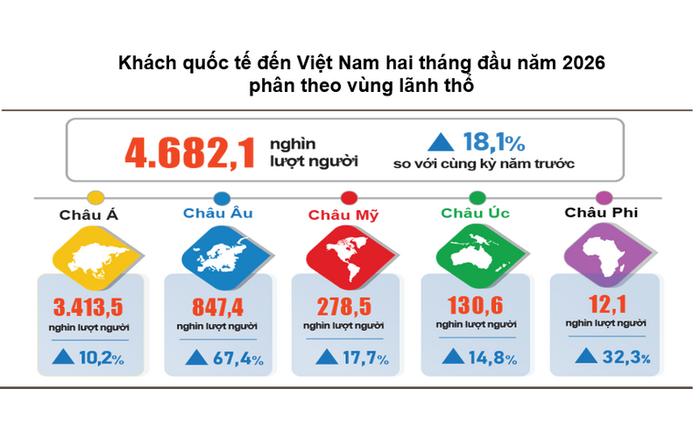
Statistics from the General Statistics Office in the first two months of 2026
Notably, just six Southeast Asian markets, namely Cambodia, the Philippines, Singapore, Indonesia, Malaysia, and Thailand, brought in 707,130 visitors, equivalent to about 15.1% of total international arrivals to Vietnam. This figure shows that Southeast Asia is no longer merely a supporting market group, but is gradually becoming a source-market cluster making a substantial contribution to the growth picture of international tourism.
In the context of global tourism being affected by geopolitical volatility and cost pressures, the challenges facing the international market are becoming opportunities for Vietnam’s tourism industry to enhance its attractiveness, especially to travelers from nearby markets.
The Middle East conflict is driving the trend of “travel closer, travel safer”
The conflict in the Middle East is currently not only a regional issue, but is also becoming a variable with widespread implications for global tourism. Its impact does not necessarily lie in travelers immediately canceling trips to conflict areas, but more deeply in a more cautious attitude toward long-haul journeys, especially routes that depend heavily on transit, complex operating schedules, and fluctuating fuel costs.
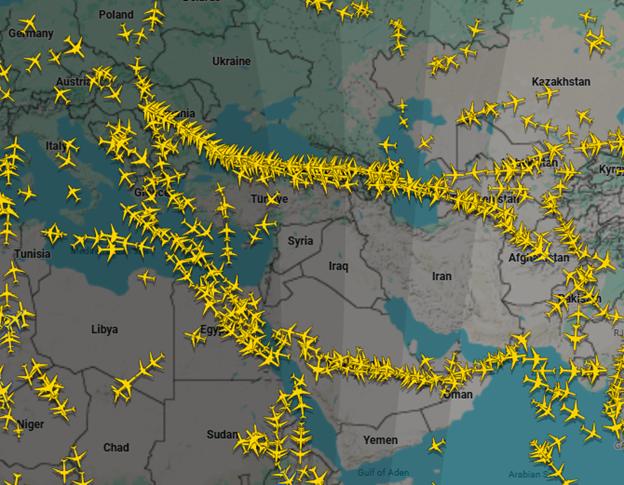
The Middle East conflict is forcing flights to reroute around conflict zones
As travel risks increase, tourists tend to shift toward destinations that are closer, safer, and easier to adjust in terms of itinerary. This is why the trend of “travel closer, travel safer” is becoming increasingly evident during this period and throughout 2026.
In that context, intra-Asian markets, especially ASEAN, are becoming more important than ever. Compared to long-haul travelers, Southeast Asian visitors often have shorter decision-making cycles, a faster booking ability, and stronger suitability for 3–5 day travel packages, short weekend trips, holiday getaways, or bleisure trips combining work and leisure.
Ho Chi Minh City has outstanding advantages to become a hub for welcoming Southeast Asian tourists
At the destination level, Ho Chi Minh City currently has many advantages to become Vietnam’s hub for welcoming Southeast Asian travelers, especially when viewed within the development space linked with Binh Duong and Ba Ria – Vung Tau.
Whereas Ho Chi Minh City was previously known mainly for its role as an international aviation gateway and a center for commerce, services, accommodation, conferences, events, shopping, and cuisine, the city can now expand further toward an urban – coastal – resort – entertainment – weekend tourism model through regional connectivity corridors.
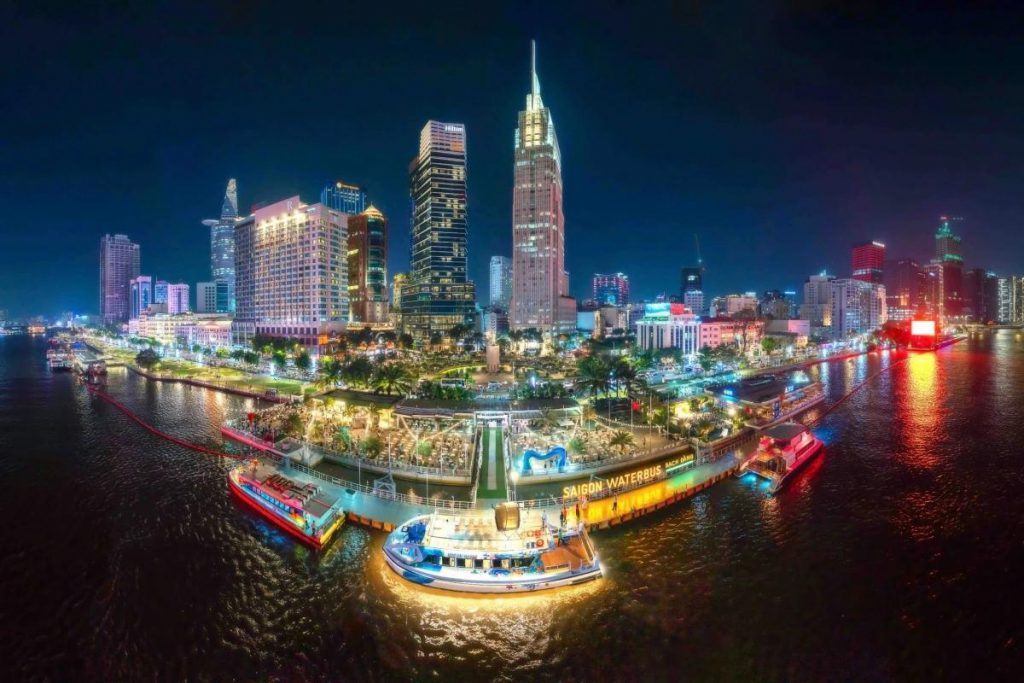
Ho Chi Minh City has the opportunity to become a tourism hub of Southeast Asia
The strength of Ho Chi Minh City does not lie in a single product, but in its ability to organize integrated experiences. The city can simultaneously meet the needs of multiple visitor segments: young travelers seeking vibrant urban experiences with cuisine, entertainment, and shopping; family travelers prioritizing short, convenient, multi-service itineraries; business travelers, meeting and event participants requiring solid infrastructure combined with leisure options; while weekend travelers from ASEAN are looking for short trips that still offer multiple experiences within a single itinerary.
It is precisely this combination of a modern urban environment with coastal and resort spaces that gives Ho Chi Minh City a distinctive competitive advantage in the region. This enables Ho Chi Minh City not only to maintain its role as an entry point, but also to become a tourism revenue distribution hub for the entire southern region.
ASEAN tourism orientation for 2026–2030 is creating an additional “window of opportunity” for Vietnam
A key focus of the ASEAN Tourism Conference 2026 was the introduction of the ASEAN Tourism Sectoral Plan 2026–2030 (ATSP 2026–2030). This plan sets the goal of strengthening the role of tourism as a driver of economic growth, regional integration, and community development, while also aiming to build ASEAN into a common destination that is sustainable, inclusive, and globally competitive.
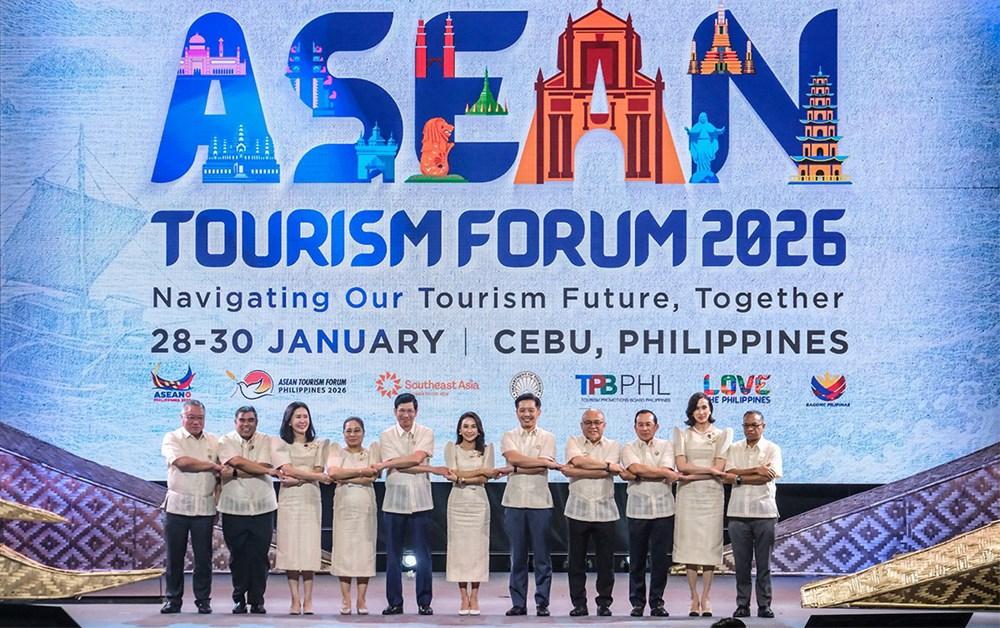
Tourism leaders of ASEAN countries at the ASEAN Tourism Forum 2026
Within this orientation, Vietnam is facing a clear opportunity to enhance its role within the regional tourism network, particularly in the intra-ASEAN segment and multi-destination itineraries.
With advantages in geographic location, competitive costs, diverse products, and increasingly stronger connectivity, Vietnam can not only attract visitors directly, but also participate more deeply in regional cross-border travel routes. For Ho Chi Minh City in particular, this provides an important foundation for the city to strengthen its role as a gateway for welcoming Southeast Asian visitors and as a tourism connection hub for southern Vietnam.
To effectively attract Southeast Asian tourists to Vietnam and Ho Chi Minh City, the following factors should be considered:
- Develop dedicated products for each ASEAN market
Southeast Asia is not a homogeneous market. Each country has different travel behavior, spending levels, and demands. Therefore, Vietnam needs to avoid a generic approach, and instead develop dedicated products, dedicated messages, and dedicated campaigns for each visitor group.
- Strengthen linkages among airlines, travel companies, hotels, and OTAs
Southeast Asian travelers respond very well to short-stay combo packages that are clearly priced, easy to purchase, and easy to book. Therefore, the important point is not only to promote the destination, but also to create products that can be sold immediately and match the fast-consumption behavior of regional travelers.
- Clearly position Ho Chi Minh City as a destination for welcoming Southeast Asian tourists
Ho Chi Minh City needs to be communicated and productized as Vietnam’s gateway for welcoming ASEAN visitors, thereby expanding connected routes with surrounding areas to increase both length of stay and visitor spending value.
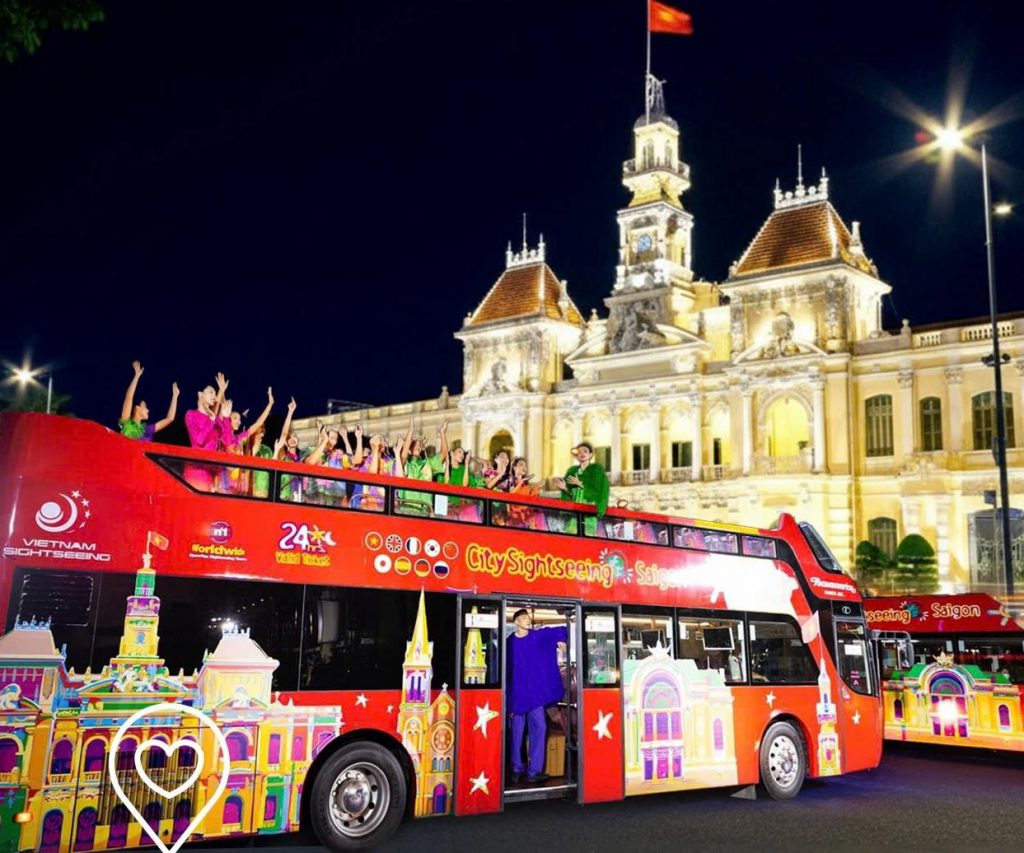
Ho Chi Minh City is Vietnam’s gateway for welcoming ASEAN tourists
- Leverage ITE HCMC 2026 as a market promotion tool
Within this strategy, the 20th International Travel Expo Ho Chi Minh City (ITE HCMC 2026) should be regarded as an important market-promotion touchpoint, especially for ASEAN buyers, travel operators, distribution partners, and tourism businesses. The value of the event lies not only in the exhibition itself, but in its ability to generate B2B connections, product collaboration, and post-event sales campaigns.
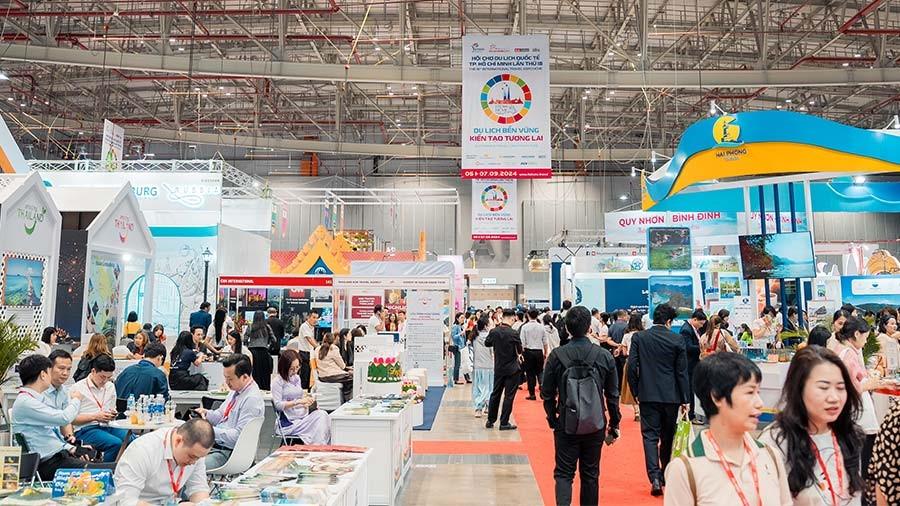
Leveraging ITE HCMC 2026 to enhance trade promotion opportunities amid volatility
- Southeast Asia is no longer a supporting market, but a strategic growth direction
From the data in early 2026, a clear trend can be seen: Vietnam’s tourism growth is being strongly driven by nearby markets, with Asia playing the core role and Southeast Asia emerging as a source-market cluster with an increasingly visible contribution.
In the context of the Middle East conflict increasing risks for long-haul journeys, the trend of travelers shifting toward destinations that are closer, safer, and easier to connect with will likely become even more pronounced in the near future. This is precisely the “window of opportunity” for Vietnam to proactively reposition its international market strategy.
With advantages in location, air connectivity, competitive costs, and an increasingly complete service ecosystem, Vietnam has many conditions in place to capture this shifting visitor flow. Ho Chi Minh City in particular, if properly positioned as a hub for welcoming Southeast Asian tourists and a distribution gateway for the entire southern region, can fully become the locomotive in the strategy of developing the short-haul market during 2026–2030.
In other words, attracting Southeast Asian tourists is no longer an additional option, but should be considered a strategic, practical, and sustainable growth direction for Vietnam’s tourism sector and for Ho Chi Minh City in the years ahead.
Register your booth at ITE HCMC 2026 today
In the context of a rapidly shifting tourism market, timely presence will be the best opportunity. Renting a booth at the 20th International Travel Expo Ho Chi Minh City (ITE HCMC 2026) not only helps businesses appear at one of the largest and most prestigious international tourism events in Vietnam, but also opens up opportunities to meet the right partners, promote to the right customers, and expand into the right markets.
Register your booth at the 20th International Travel Expo Ho Chi Minh City (ITE HCMC 2026) today to secure a prime location, optimize networking opportunities, and accelerate business growth in the new tourism season.
Registration and contact information for the ITE HCMC 2026 Organizing Committee
- Website: www.itehcmc.travel
· Email: info@itehcmc.travel
· Fanpage: ITE HCMC
· Hotline: +84 913 056 968